
Learning how to play Keno starts with a simple idea: choose numbers, watch the draw and count your matches. This lottery-style format combines a familiar numbered board with several ticket sizes and payout options. For readers exploring Keno with jiliasia, understanding the ticket and paytable makes the first round much easier to follow.
What Is Keno?
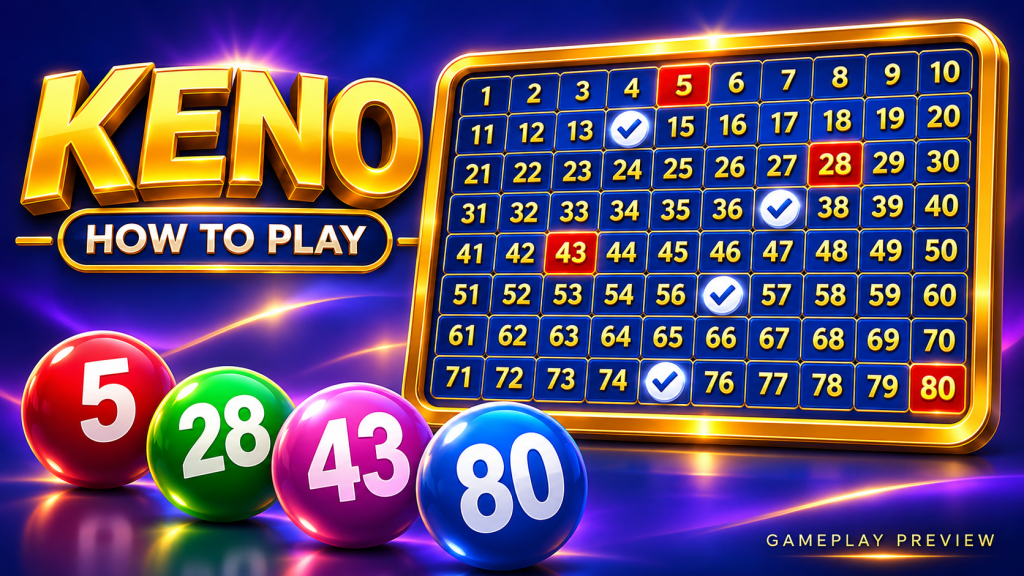
Keno is a number-matching game. In a common format, the board contains numbers from 1 to 80 and the game draws 20 numbers. You choose a permitted number of spots before the draw begins. The number of selected spots and the number of matches determine which prize category applies.
Some versions use different board sizes, draw counts or selection limits. Treat the opening information screen as the guide to that particular game.
| Keno term | Meaning | What to check |
|---|---|---|
| Spot | One number you select | Minimum and maximum selections |
| Draw | The numbers revealed for the round | How many numbers are drawn |
| Catch or hit | A selected number appearing in the draw | Final match count |
| Paytable | The prize chart | The row for your chosen ticket size |
| Quick Pick | Automatic number selection | How many spots it selects |
How to Play Keno Step by Step
Choose Your Spots and Numbers
Select a ticket size, then mark that many numbers. A five-spot ticket contains five selections; a ten-spot ticket contains ten. You can usually tap a highlighted number again to remove it or use Clear to start over. Quick Pick offers a convenient alternative when you prefer automatic selections.
Set the Stake and Review the Ticket
Choose an amount per round and check the total before starting. If multiple tickets, extra features or repeat rounds are enabled, the total cost may exceed the amount shown beside a single ticket. Readers using this jiliasia guide can keep the first round straightforward by checking one ticket and one draw at a time.
Watch the Draw and Count Matches
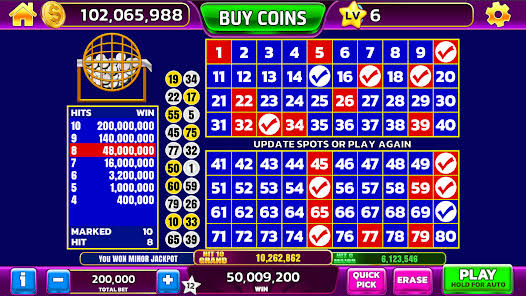
Once the round is accepted, watch the revealed numbers. The interface normally distinguishes your selections, drawn numbers and successful matches using separate colors. Read the legend rather than assuming that every illuminated square represents a win.
How Keno Payouts Work
The paytable connects ticket size to match count. Matching three numbers on a four-spot ticket can have a different value from matching three on an eight-spot ticket. Some tables also include a zero-hit prize for specific ticket sizes.
| Example result | What it tells you | Next step |
|---|---|---|
| Five selected, three matched | A 3-of-5 result | Read the five-spot table |
| Eight selected, four matched | A 4-of-8 result | Read the eight-spot table |
| Ten selected, none matched | A 0-of-10 result | Check whether zero hits pays |
For a calculation example only, a ₱10 stake with a hypothetical 5x total-return award returns ₱50, leaving ₱40 above the stake. Actual multipliers and the treatment of the original stake come from the game’s rules.
Popular Types of Keno
Standard Keno emphasizes the number draw. Bonus versions add features such as special balls, multipliers or extra rounds. Jackpot versions attach a separate top-prize mechanism, while themed games change the presentation. Smaller-board variants change the number pool and may also change the draw and paytable.
When comparing these options through jiliasia-related research, look beyond the theme: board size, ticket limits and prize conditions describe the playing experience more clearly.
Practical Tips for Your First Session
Start with a ticket size whose payout chart is easy to read. Keep the stake comfortable, review the result after the draw and check any bonus conditions before enabling additional features. Switching numbers or using Quick Pick changes your selections; neither gives an otherwise equivalent ticket better matching odds.
Keno vs Bingo
Keno normally awards prizes by counting matches among your chosen numbers. Many Bingo formats instead ask you to complete a specified pattern on an issued card. That makes Keno appealing when you prefer building your own number selection rather than following a card pattern.
A Simple Keno Starting Point
Choose your spots, confirm the stake and use the correct paytable to interpret the result. This jiliasia Keno introduction provides a foundation for comparing versions while keeping the first few rounds easy to understand.